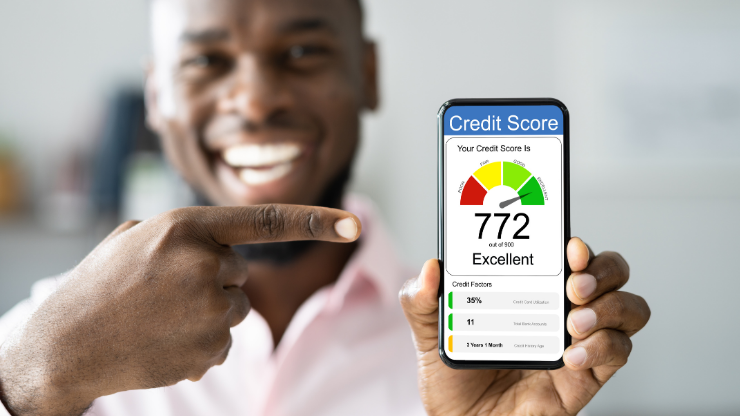
In today’s digitally connected world, traditional credit scoring methods are no longer enough. Millions of people — especially in emerging markets like Nigeria — remain excluded from financial opportunities simply because they lack a formal credit history.
But what if we could rewrite the rules? What if trustworthiness could be measured beyond bank statements and bureau reports?
Welcome to the era of alternative data in credit scoring — a powerful shift that is redefining how we evaluate risk, trust, and financial inclusion.
What Is Alternative Data?
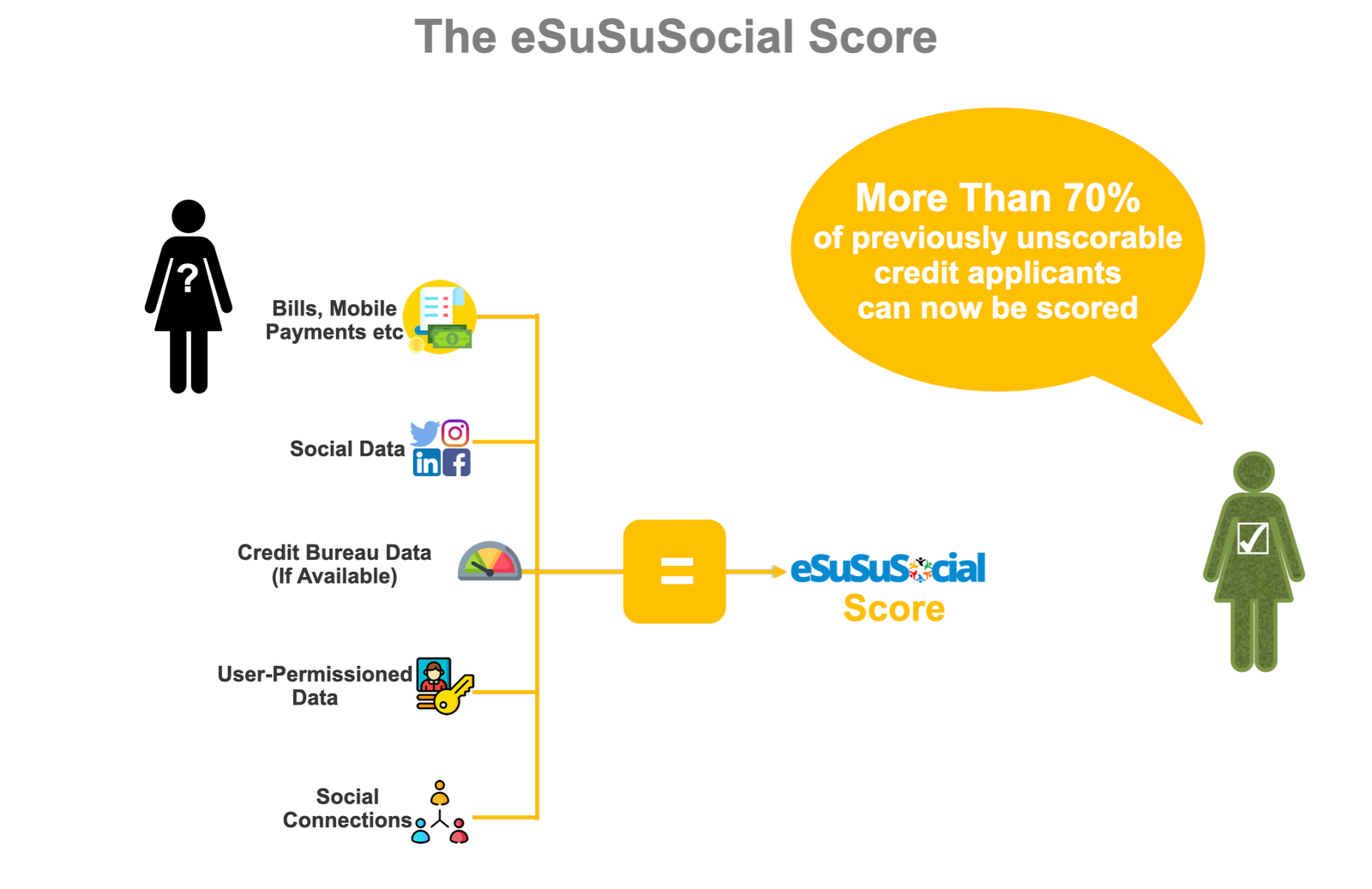
Alternative data refers to any non-traditional information that can be used to assess a person’s creditworthiness. Unlike conventional methods that rely solely on bank transactions or past loans, alternative data draws from:
- Mobile phone usage and airtime purchases
- Utility bill payments (electricity, water, cable TV)
- Social media behavior and peer connections
- E-commerce activity and digital transaction footprints
- Rental history, educational background, and job stability
Why Traditional Credit Models Fall Short
Conventional credit scoring systems create a vicious cycle for many Nigerians:
No credit history → No loan → No chance to build credit.
This is a common trap for:
- Informal workers and gig economy participants
- Young adults and students entering the workforce
- Women and rural dwellers with limited financial access
The Case for Alternative Data in Nigeria and Africa
With over 64 million unbanked adults in Nigeria alone, the opportunity to drive financial inclusion is massive. Mobile phone penetration exceeds 90%, with digital transactions and online engagements growing steadily.
Platforms like eSuSuSocial are harnessing this digital footprint to offer smart, social, and ethical credit scoring models. By using telco records, utility payments, peer endorsements, and machine learning, they can build a credit profile for someone who’s never stepped foot in a bank.
Real-Life Impact: How Alternative Data Changes Lives
Imagine Sarah, a small shop owner in Lagos. She has no credit card, no bank loan, and no formal paycheck. But she pays her rent on time, consistently recharges her phone, and runs a thriving online business.
With alternative data, Sarah’s behavior — not her lack of credit history — becomes the foundation of her financial future.
This shift opens doors for:
- Microloans and flexible credit options
- Buy-now-pay-later services
- Affordable insurance and savings tools
- Entrepreneurial funding and personal growth
Challenges and the Way Forward
While the promise of alternative data is powerful, it comes with its own challenges:
- Privacy concerns and data consent
- Standardizing data sources and models
- Avoiding algorithmic bias
- Ensuring transparency in decision-making
The solution? Responsible use of data, user-permissioned access, and strong regulatory frameworks that protect the consumer while fostering innovation.
Conclusion: A Smarter, Fairer Credit System
Alternative data is not just a workaround — it’s a revolution. By looking beyond the narrow lens of traditional credit reports, we unlock the financial potential of millions who’ve been overlooked for too long.
At eSuSuSocial, we believe that trust can be social, data can be empowering, and inclusion can be intelligent.
The future of credit is already here — and it looks a lot more human.
🚀 Want to see alternative data in action?
👉 Explore how eSuSuSocial is using data to drive inclusion.
📩 Contact us: info@esususocial.com.ng


Add comment